


‘BAD GIRLS’, WOMEN OBJECTIFICATION & AI ‘ART’ (first published in 'Medium')
- Pam Saxby
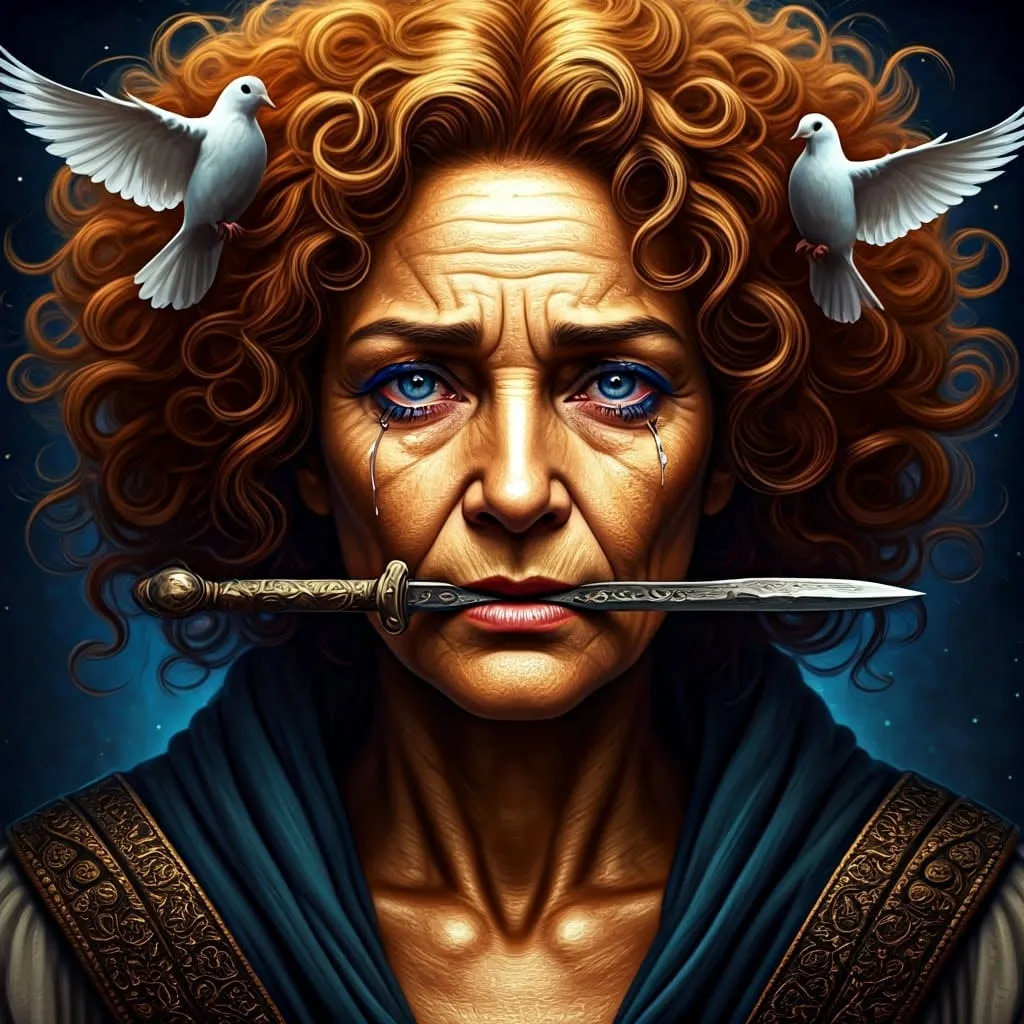
- Nov 5
- 2 min read

Modern society’s fascination with ‘bad girls’ isn’t new. Worldwide, across an array of cultures, ancient folklore and myth are replete with the femme fatale archetype (Wikipedia). Apparently, it “stems from a long history of women challenging patriarchal boundaries, acting as a mirror to cultural anxieties about female independence and power. This archetype, often appearing as the femme fatale or rebellious woman, has evolved over centuries, consistently captivating audiences … (with) her complexity, perceived freedom, and subversion of traditional gender roles” (Google review, informed by a wide range of sources, including Mallory Young’s Bad Girls & Transgressive Women in Popular Television, Fiction & Film).
The history of ‘bad girls’ in ‘western’ society is captured rather imaginatively by Holly Williams in her review of ‘Girl Trouble’ — a book by “cultural historian” Carol Dyhouse that “explores the history of … moral panic over rebel girls from the late-19th century onwards” (Independent). Despite having been published a decade before AI text-to-image ‘art’ became a fad, the review describes the type of terrain that — with the wisdom of hindsight — would eventually turn out to be ideal for the rapid growth of seeds now being sown by AI ‘art’ in the minds of impressionable girls and young women.
According to Williams, in 2013 — “under the catch-all term of sexualisation” — “worries abounded” about the longer-term implications of a widespread parental obsession with raising “little … pink princesses” that morphed into “tweenage girls totter(ing) around in heels and padded bras”. Apparently, by the time these nascent young women became teenage girls, their heads were “so stuffed with images of Rihanna bumping and grinding” — and “hard-core porn … watched on the internet” — it was hardly surprising they were “sexting left right and centre”.
Which may well explain why women are portrayed as they are in the type of AI text-to-image ‘art’ so popular on international community platforms. At the time of writing, the community to which I’m still a reluctant tail-end subscriber offered 17 competitions focusing on women. Of these, 13 were supposed to be about ‘beauty’, one about ‘fantasy women’, one about ‘dressing for the job you want’, one about ‘the most attractive woman you can create’ — and one calling for ‘girls, bad to the bone — subtle style’.
Criteria for the ‘bad girl’ competition included some suggestions, one of which was ‘a vampire with just-unsettling eyes or a peaking fang’.
Accessing the results of these types of competitions is almost impossible if you don’t submit an entry — for which I have no appetite, mainly because participants are expected to rank a selection of submissions, thus exposing themselves to an avalanche of oversexualised women inevitably sporting that ‘come hither’ look.
Clearly underpinning this unfortunate (to/for me) state of affairs is that “the good versus bad girl binary designates women as either chaste, pure, innocuous and sweet — or seductive, promiscuous, feisty, and sour” (Nadia Hammouda in The Link). In Hammouda’s view, ‘good’ women are “attractive but not particularly sexy — and … excellent wife/mother material”. ‘Bad girls’ are “sexually charged and attractive” — but not “wifey”. On that basis, Hammouda concludes that “a woman can be either a Madonna or a whore, but nothing in between”. Which left me wondering how I was categorised more years ago than I care to recall. Although I know only too well where I’d fit now.
Makes you think, doesn’t it?


Comments